


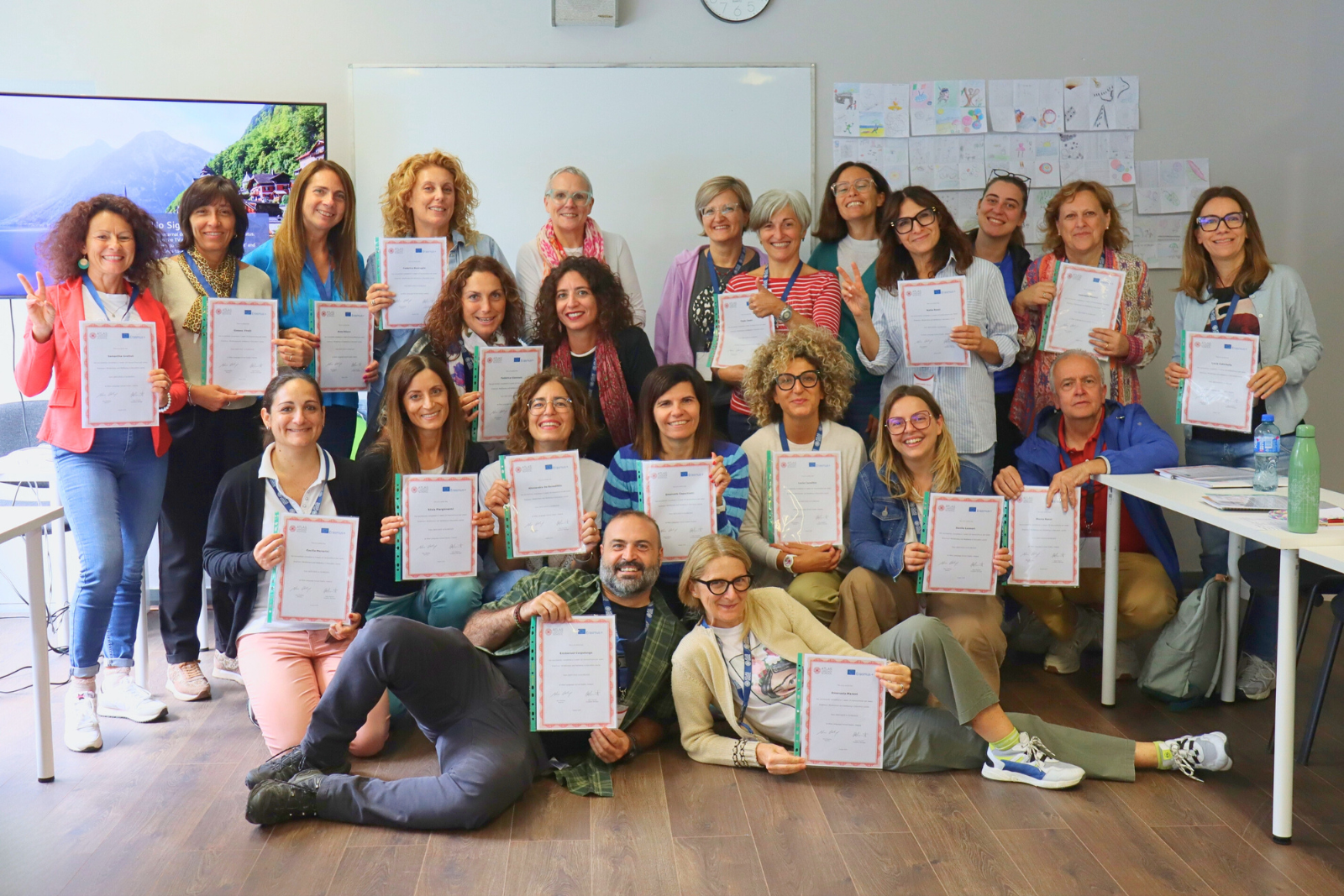
Cultural Immersion and Erasmus+ Staff Mobility for Universities: Why Ireland Offers More Than Just a Course
Erasmus+ staff mobility for universities is designed to strengthen professional competence, institutional strategy, and European cooperation. Under Erasmus+ Key Action 1 (KA1), universities may send academic and administrative staff abroad for structured training, professional development, and job shadowing.
While structured courses form the foundation of mobility activities, the broader educational and cultural environment in which learning takes place significantly influences impact. Increasingly, Erasmus+ reporting emphasises measurable outcomes, dissemination, and institutional legacy. In this context, cultural immersion is not incidental, it is strategically relevant.
For universities seeking compliant, high-quality Erasmus+ staff mobility in Ireland, the combination of structured professional development and meaningful cultural engagement creates measurable institutional value.
Erasmus+ Staff Mobility for Universities: Professional Development Within a European Context
Erasmus+ KA1 mobility enables universities to strengthen institutional capacity by supporting staff development aligned with internationalisation, digital transformation, inclusion, and sustainability objectives.
Mobility activities must be:
- Structured
- Aligned with institutional goals
- Documented for reporting
- Delivered by legally established host organisations
The Erasmus+ Programme Guide makes clear that mobility should contribute to professional competence development and institutional modernisation. This includes fostering intercultural understanding and European cooperation.
When university staff engage with a host country’s academic and cultural environment, they gain comparative insight into different educational systems, communication styles, and institutional practices. This exposure enhances their ability to operate effectively within European academic networks.
Learn more about the various courses at our accredited Erasmus Courses Ireland training centres.
URL: https://erasmuscoursesireland.eu/courses/
Cultural Immersion as a Strategic Component of Erasmus+ KA1 Mobility
In higher education, intercultural competence is increasingly recognised as a professional necessity. Universities operate within multilingual, multicultural, and globally connected ecosystems.
Cultural immersion during Erasmus+ staff mobility supports:
- Intercultural communication skills
- Cross-border collaboration capacity
- International classroom confidence
- Research networking effectiveness
- Administrative coordination across European contexts
In Ireland, cultural engagement is deeply intertwined with educational experience. Participants encounter English-language academic environments within a distinct European cultural framework. This allows staff to develop professional language competence while also deepening intercultural awareness.
Erasmus+ mobility that integrates structured learning with cultural reflection produces stronger dissemination narratives and clearer institutional outcomes. Participants return with enhanced professional confidence and a broader European perspective that supports institutional internationalisation strategies.
Why Ireland Is a Leading Destination for Erasmus+ Staff Mobility
Ireland holds a unique position within Erasmus+ mobility planning. As an English-speaking EU member state, it offers universities:
Regulatory Certainty Within the Erasmus+ Programme Framework
As a full European Union member state, Ireland operates entirely within the Erasmus+ regulatory framework. This provides universities with clarity and confidence regarding compliance, funding eligibility, and reporting requirements. Staff mobility to Ireland does not involve additional visa complexity, non-programme country considerations, or regulatory uncertainty, making it a stable and predictable destination for KA1 mobility planning.
English-Medium Professional Development
Ireland offers a fully immersive English-speaking environment within the European Union, making it particularly attractive for universities seeking to strengthen internationalisation strategies. Academic staff, researchers, and administrative personnel benefit from professional development delivered in English while remaining within a compliant EU context. This combination supports improved academic communication, research dissemination, and participation in European networks.
A Strong, Internationally Recognised Education Sector
Ireland’s education system enjoys a strong international reputation for quality, governance, and academic standards. Its higher education institutions are globally engaged, research-active, and closely connected to European education and innovation frameworks. For visiting staff, this environment provides exposure to best practice in teaching, digital innovation, and institutional management.
High-Quality Accredited Training Providers
Professional development providers in Ireland operate under recognised accreditation and quality assurance frameworks. Many hold accreditations such as QQI, EAQUALS, ACELS, or equivalent national and international certifications. For universities planning Erasmus+ staff mobility, this ensures that training is delivered within structured, quality-controlled environments aligned with European educational standards.
Accessible, Compact Academic Cities
Ireland’s academic cities including Dublin, Cork, and Galway, offer professional yet manageable environments for staff mobility participants. Their compact scale allows for meaningful engagement with educational institutions, cultural venues, and professional networks within a short timeframe. This accessibility enhances the overall effectiveness of mobility by reducing logistical barriers and increasing opportunities for authentic engagement.
Ireland’s higher education ecosystem is globally respected and closely connected to European research and innovation networks. Universities sending staff to Ireland benefit from exposure to a stable academic environment that aligns fully with EU policy frameworks.
Cities such as Dublin, Cork, and Galway offer professional yet approachable settings where staff mobility participants can engage meaningfully with both educational institutions and local communities.
For universities seeking Erasmus+ staff mobility in Ireland, this combination of compliance, quality, and cultural depth provides a distinctive advantage.
Learn more about our accredited training centres in Dublin, Cork and Galway https://erasmuscoursesireland.eu/centres/
Structured Professional Development and Cultural Integration
High-quality Erasmus+ staff mobility in Ireland combines:
Clearly Defined Learning Objectives
All Erasmus+ staff mobility programmes should be built around clearly articulated learning objectives that align with both individual professional development and institutional strategy. Defined objectives ensure that participants understand the expected outcomes of their mobility and allow universities to link activities directly to KA1 project goals. This clarity strengthens reporting, dissemination, and long-term institutional impact.
Structured Course Design
Structured course design is central to Erasmus+ eligibility and quality assurance. Programmes should follow a coherent framework, combining theoretical input, applied practice, and collaborative engagement to support measurable competence development. For universities, this structured approach ensures that mobility activities are not ad hoc experiences but purposeful professional development aligned with institutional priorities.
Interactive Workshops
Interactive workshops provide opportunities for peer exchange, collaborative problem-solving, and practical application of new methodologies. Within a higher education context, this format supports the development of transferable skills in digital innovation, pedagogical strategy, and intercultural communication. Active participation enhances engagement and reinforces learning retention, contributing to sustainable institutional benefit.
Reflective Practice
Reflective practice is a critical component of effective professional development under Erasmus+. Participants are encouraged to analyse how learning experiences compare to their home institutional context and identify opportunities for implementation. This structured reflection strengthens the connection between mobility activities and measurable institutional outcomes, particularly in areas such as internationalisation and digital transformation.
Cultural Engagement Aligned with Professional Themes
Cultural engagement within Erasmus+ staff mobility should reinforce, rather than distract from, professional learning objectives. In Ireland, cultural elements are integrated intentionally to support intercultural competence, communication confidence, and European collaboration skills. When aligned with professional themes, cultural immersion enhances both individual development and institutional internationalisation strategies.
Cultural activities are not separate from learning; they reinforce it. Participants may explore aspects of Irish educational governance, community engagement, language use in professional contexts, and approaches to intercultural dialogue.
This integration supports Erasmus+ objectives by strengthening participants’ capacity to operate within diverse European environments. It also provides substantive material for dissemination and reporting.
Structured reflection components allow participants to connect cultural insights to institutional practices in their home universities. This strengthens the measurable impact of mobility activities.
Measurable Institutional Impact of Erasmus+ Staff Mobility in Ireland
Erasmus+ increasingly requires institutions to demonstrate tangible outcomes from mobility funding.
Structured professional development in Ireland has supported measurable results including:
- Improved academic English delivery
- Enhanced digital teaching competence
- Increased confidence in international research collaboration
- Strengthened Erasmus+ project design capacity
- Broader institutional partnership networks
Cultural immersion enhances these outcomes by deepening intercultural awareness and strengthening European identity engagement.
For Erasmus coordinators, the ability to demonstrate both professional competence development and intercultural growth strengthens reporting narratives under KA1 mobility.
Mobility experiences that combine compliance, structured learning, and cultural integration are more likely to generate sustainable institutional benefits.
Is Erasmus+ Staff Mobility to Private Training Centres in Ireland Eligible?
Under the Erasmus+ Programme Guide, universities may send staff to any legally established organisation in a Programme Country that provides structured learning aligned with mobility objectives.
Host organisations must:
- Be legally established
- Hold a valid Erasmus+ Organisation ID (OID)
- Deliver structured professional development
- Provide documentation for reporting
There is no requirement that host organisations be listed on a particular platform.
All Erasmus Courses Ireland partner centres hold valid OID numbers and operate in full compliance with Erasmus+ eligibility criteria.
What Universities Should Consider When Planning Erasmus+ Mobility in Ireland
- OID registration and legal status
- Recognised accreditations
- Structured learning design
- Alignment with Erasmus+ priorities
- Reporting and certification support
- Institutional fit with internationalisation strategy
Erasmus+ Staff Mobility for Universities in Ireland: Professional Development with Cultural Depth
Erasmus+ staff mobility for universities is most effective when structured professional development is delivered within a meaningful European context.
Ireland offers universities a compliant, English-speaking EU environment where academic quality and cultural immersion reinforce one another. For institutions seeking measurable impact under KA1 mobility, this integration strengthens both individual competence and institutional strategy.
Erasmus Courses Ireland works with universities across Europe as a trusted partner in delivering structured, eligible Erasmus+ professional development in Ireland.